
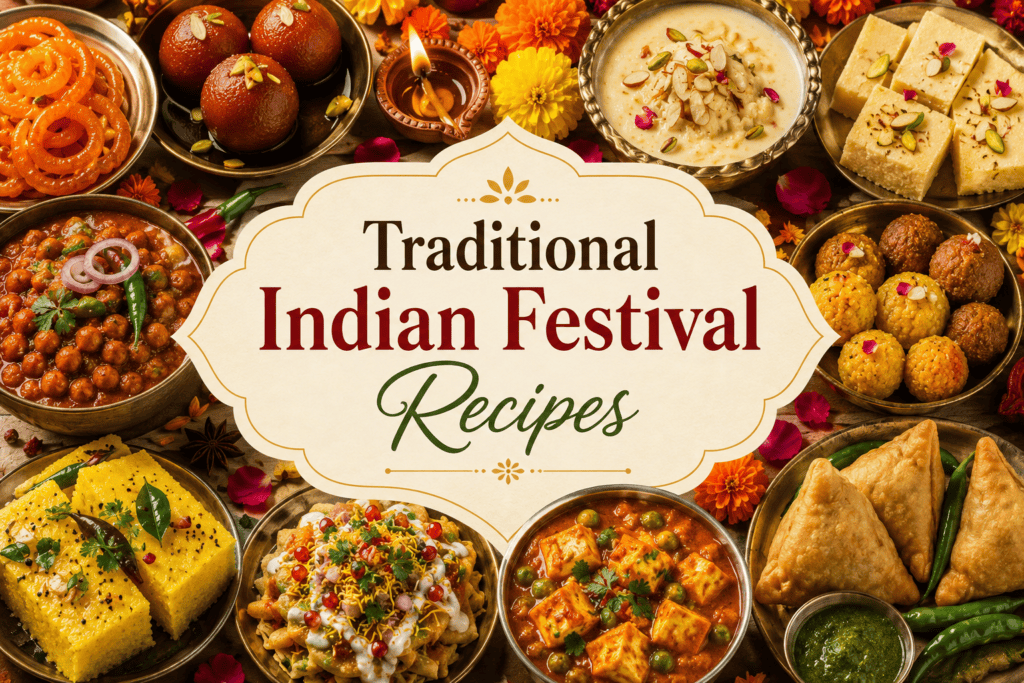
Traditional Indian Festival Recipes: A Complete Guide to Festive Cooking Across India
India’s calendar is filled with festivals, and every celebration has its own special food. Traditional Indian festival recipes are more than dishes. They reflect religious beliefs, regional traditions, and cherished family memories. From Diwali ladoos to Navratri sundal, festive cooking brings families together across India. This guide explains why these recipes matter. It also explores how they differ by region and occasion. Finally, you’ll learn how to prepare an authentic festive spread at home.
What Makes Traditional Festival Recipes Special?
Not every Indian dish qualifies as a festival recipe. Traditional Indian festival recipes share three defining features. They use auspicious ingredients like ghee, jaggery, and saffron. Families prepare them using traditions passed down through generations.
Families first offer many recipes to a deity before anyone eats them. People call this offering Naivedyam. People prepare it with devotion and offer it to the deity before anyone tastes it. As a result, this sacred tradition makes festival sweets different from everyday desserts. Therefore, many families believe a Ganesh Chaturthi ladoo has special significance.
Traditional Festival Recipes for Major Indian Festivals
However, India’s festival food isn’t uniform.A Maharashtrian Ganesh Chaturthi table usually features modak.
In South India, families prepare a different sundal variety on each day of Navratri. Bengali households celebrate with sandesh and payasam.
In North India, people enjoy kheer, puran poli, and namkeen. Even with these regional differences, festive Indian recipes share several common ingredients. Dairy-based sweets, dry fruits, cardamom, and saffron appear in many celebrations.
Festival Recipes by Major Occasion
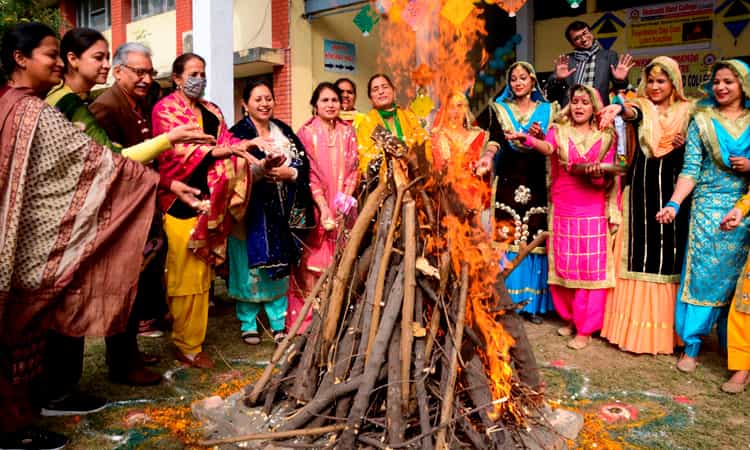
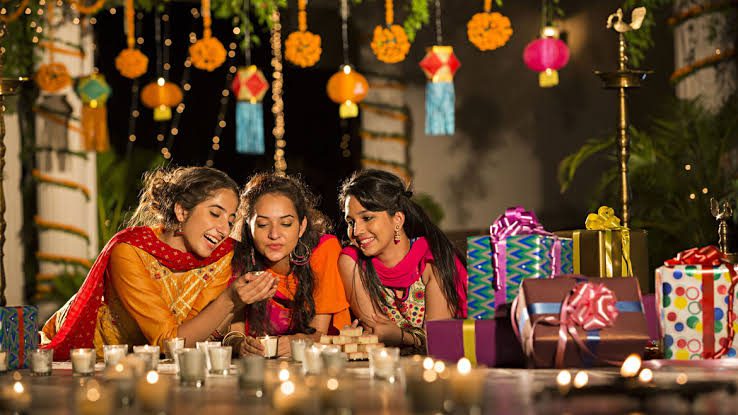
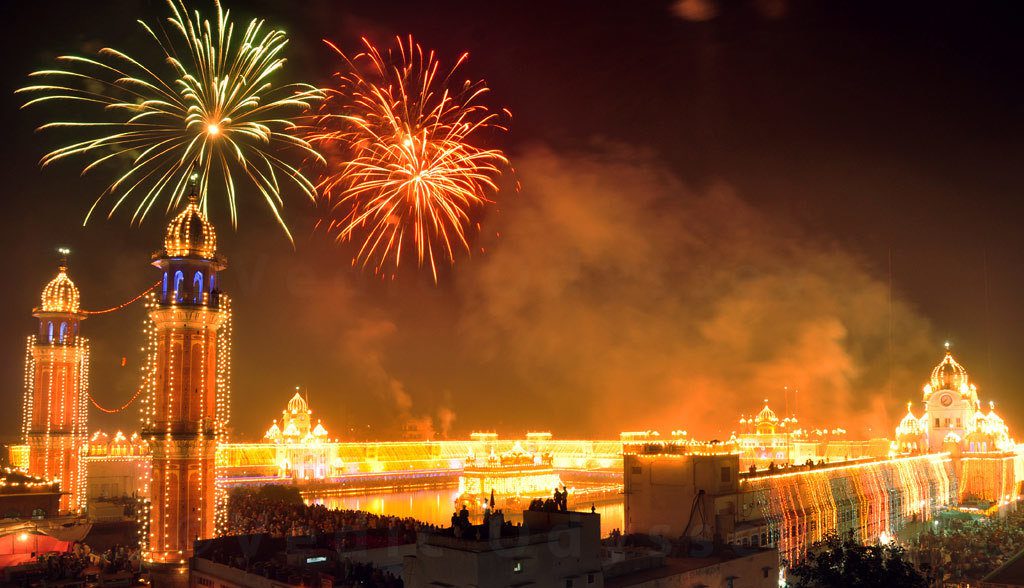
Diwali: The Festival of Sweets and Snacks
Diwali kitchens are dominated by mithai and crunchy namkeen.Classic Diwali recipes include gulab jamun (fried khoya balls soaked in cardamom syrup), barfi, chakli (also called murukku in the south), and jalebi. Families prepare sweet and savory dishes over several days. This keeps plenty of festive treats ready for visiting guests.
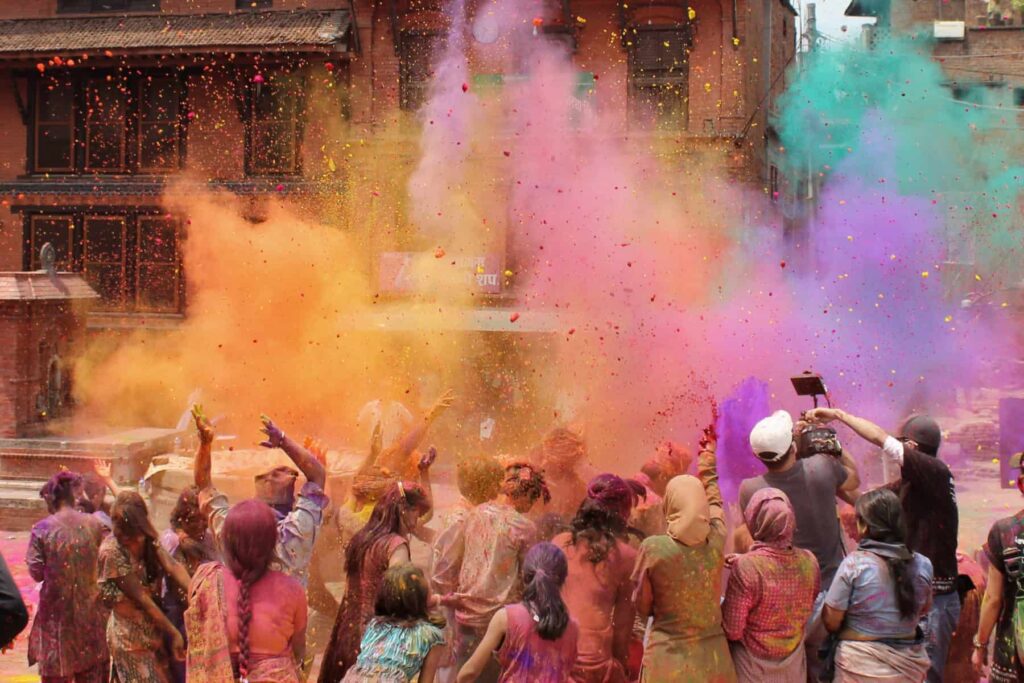
Holi: Sweetness with a Kick
Holi recipes balance indulgence with festivity. Thandai is a chilled and spiced milk drink. Gujiya is a sweet stuffed pastry. Both are popular Holi favourites.. Puran poli, a jaggery-and-lentil stuffed flatbread, is also widely made across Maharashtra during Holi.
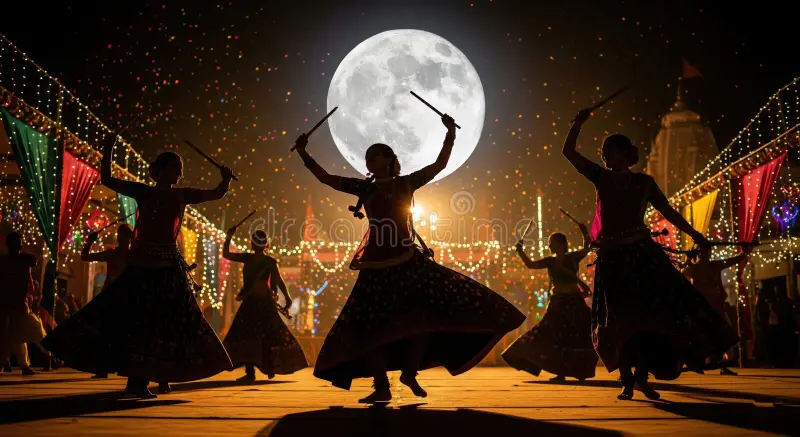
Navratri and Durga Puja: Fasting-Friendly Flavors
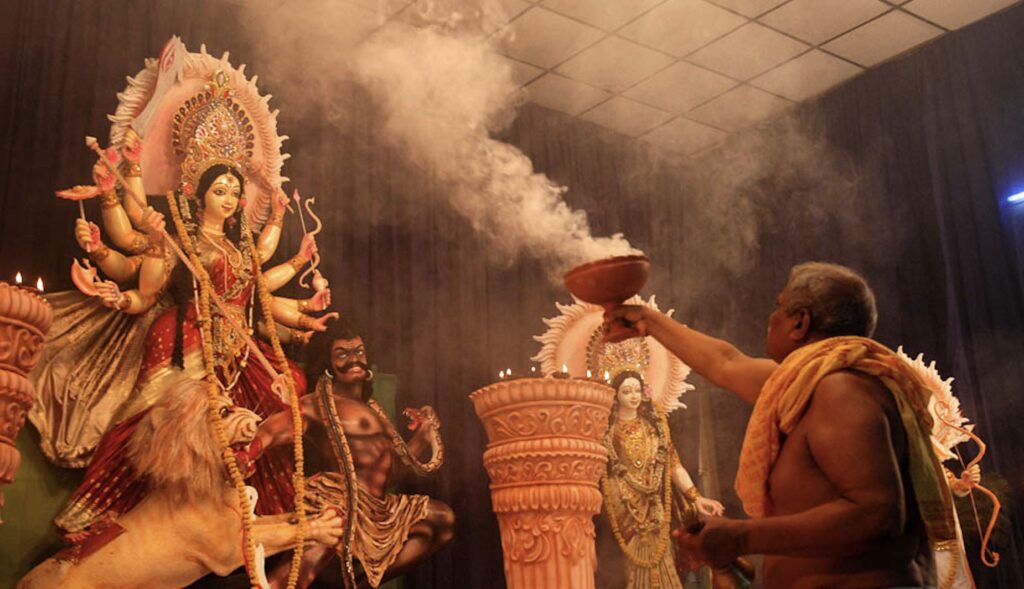
Navratri combines devotion with dietary discipline, since many observe a vrat (fast). Navratri recipes usually avoid onion, garlic, and regular grains. Instead, they use singhara flour or sabudana.Families prepare fresh sundal every day during Navratri. This South Indian dish combines legumes, mustard seeds, and coconut.
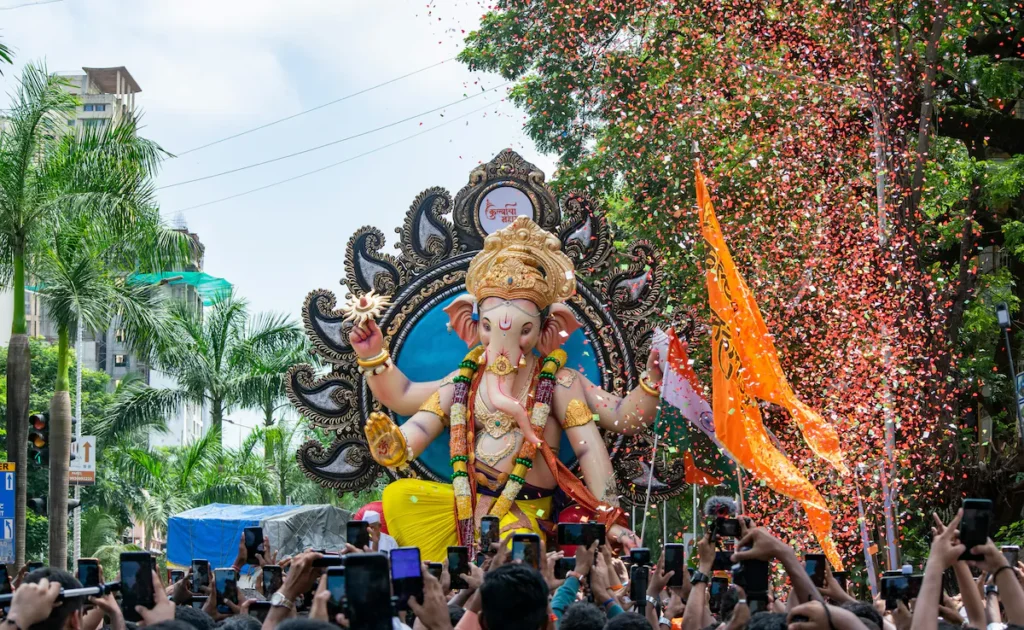
Ganesh Chaturthi: Modak Takes Center Stage
Modak, a steamed or fried dumpling filled with coconut and jaggery, is inseparable from Ganesh Chaturthi.People consider modak Lord Ganesha’s favorite sweet, making it the most essential Ganesh Chaturthi recipe tied to this occasion.
Eid and Raksha Bandhan: Rich, Nutty Desserts
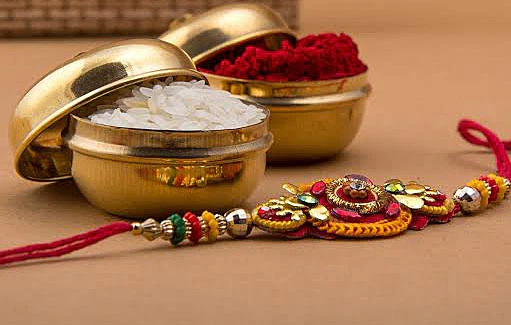
Eid celebrations bring sheer khurma, a vermicelli pudding cooked in milk with dates and nuts. Raksha Bandhan tables often feature kheer and barfi, symbolizing the sweetness of sibling bonds.
Essential Ingredients Used in Indian Festival Recipes
Certain ingredients recur across nearly every regional tradition:
- Ghee — clarified butter used for frying and richness, considered auspicious
- Khoya (mawa) — reduced milk solids, the base for many mithai
- Jaggery (gur) — unrefined cane sugar, preferred over white sugar in traditional sweets
- Saffron (kesar) and cardamom (elaichi) — signature festive flavorings
- Vermicelli (seviyan) — used in payasam, kheer, and sheer khurma
A Simple Festival-Prep Timeline
Home cooks usually follow a simple schedule.Families prepare dry snacks like chakli a week in advance because they store well. Families make ladoo and barfi two or three days before the festival. Fresh dishes like kheer, modak, and sundal are best prepared on the festival day.
Why Traditional Festival Recipes Continue Across Generations
These festive recipes survive because families teach them through hands-on experience. Grandmothers show the perfect modak dough, while mothers explain the right sugar syrup consistency for gulab jamun. This tradition helps preserve authentic flavours.
As a result, the recipes remain consistent across generations, even without exact measurements.Discover more mouthwatering recipes in our Homemade Healthy Recipes category.Don’t forget to Follow us on Instagram for daily food inspiration, recipes, and delicious updates.
Frequently Asked Questions
What are the most popular traditional Indian festival recipes?
Gulab jamun, kheer, modak, samosas, ladoo, and puran poli rank among the most widely made traditional Indian festival recipes across Indian households.
What is Naivedyam and how is it different from Prasadam?
Naivedyam is food prepared and offered to a deity during puja; once offered, it is called Prasadam and shared among devotees as blessed food.
Do all Indian festivals have the same food traditions?
No. While ingredients like ghee, jaggery, and cardamom recur, each festival and region has distinct signature dishes — for example, modak for Ganesh Chaturthi and sundal for Navratri.
How far in advance should festival sweets be prepared?
Most traditional Indian festival recipes for sweets can be made two to three days ahead, while fresh items like kheer are best cooked on the day of the festival